
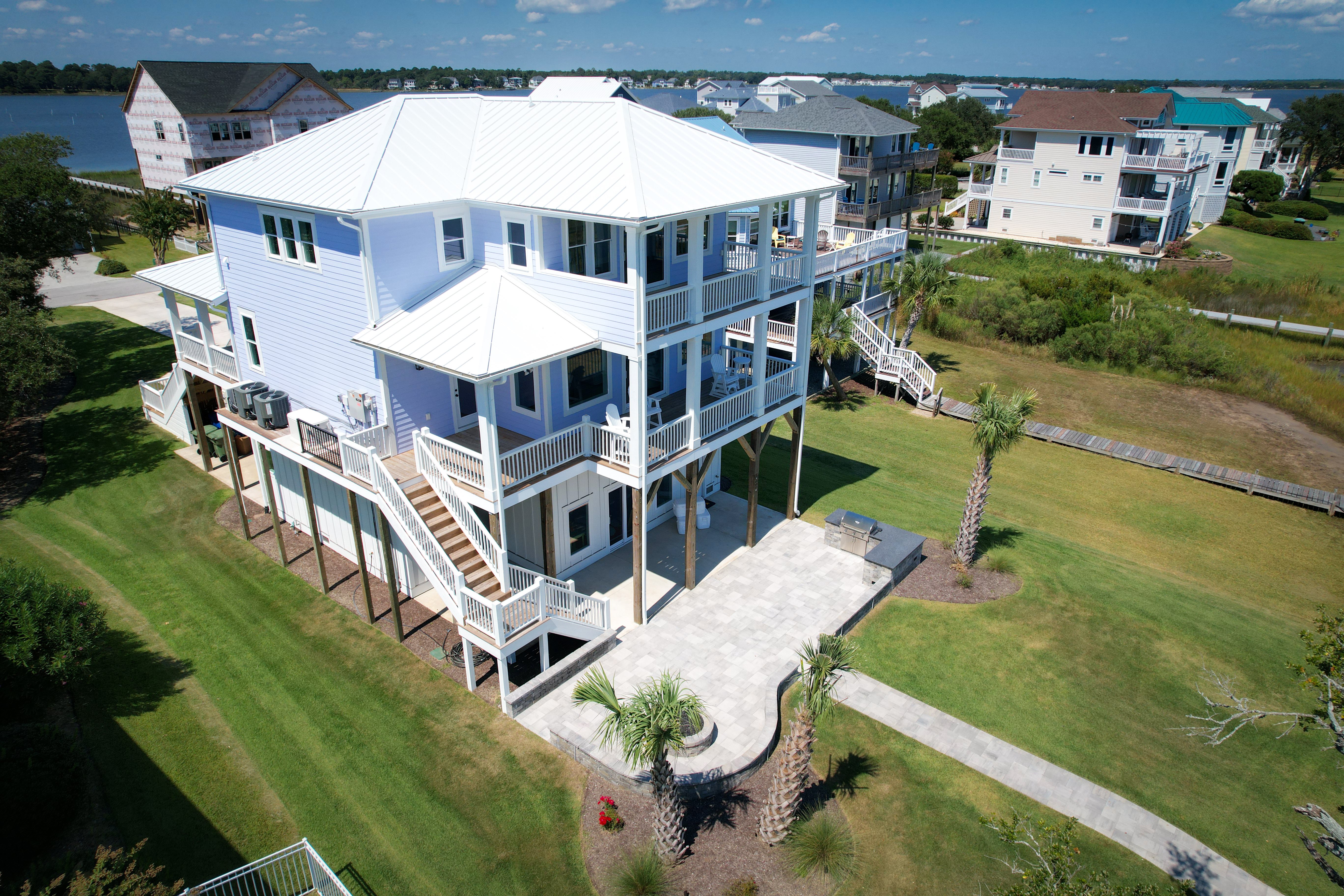
Building Your Dream Home in Hampstead, NC: Where Should You Start?
Building your dream home is exciting, but figuring out where to begin can feel like a project of its own. There is a lot to consider before construction ever starts, from choosing the right piece of land to deciding how much home you actually want to build.
If you're thinking about building a custom home in Hampstead, N.C., it helps to know what the process looks like before you get started. There are a lot of decisions along the way, and what you decide early on can affect what happens later.
Here’s a look at the major steps involved in building your dream home.
Start With the Lot
Before you choose paint colors or start looking at kitchen cabinets, you need to know where you'll build your home.
The property you build on will have a lot to do with what you can build there. The size and shape of the lot, drainage, elevation, utilities, and even how you access the property should all be considered before settling on a design.
Location matters, too. Building in Hampstead gives homeowners access to the coastal lifestyle that makes the area so appealing, but coastal properties can come with considerations that aren't necessarily present farther inland.
If you already own a lot, your builder can help you evaluate how the property may affect the home you're planning. If you haven't purchased land yet, talk with a custom home builder before deciding. The perfect-looking lot isn't necessarily the easiest or most cost-effective place to build.
Establish a Realistic Budget
Once you have an idea of where you want to build, it's time to talk numbers.
Your budget isn't simply the cost of constructing the house. Depending on the property and project, you may also need to account for the lot, site preparation, permits, utility connections, landscaping, driveway work, design costs, and other expenses.
It's also important to think beyond the initial construction estimate. The finishes and features you choose during the design process can noticeably affect the final price.
This is one reason it helps to establish a realistic budget early. Knowing what you're comfortable spending gives you a framework for making decisions throughout the rest of the project.
Decide What You Want From Your Home
This is where building a custom home becomes especially exciting.
Instead of trying to fit your lifestyle into an existing floor plan, you can think about how you actually want to use your home.
How many bedrooms do you need? Do you want a dedicated home office? Would a large kitchen make sense for your family? Do you spend a lot of time outdoors? Would a screened porch, outdoor kitchen, or large covered living area make the most sense for the way you live in coastal North Carolina?
Think about both your current needs and what you may want several years from now. A custom home is a significant investment, so it's worth considering how the layout will work as your family, hobbies, and routines change.
Work With a Custom Home Builder
Choosing the right builder is one of the most important decisions you'll make.
A custom home builder does more than oversee construction. Your builder can help you understand the practical side of your project, coordinate with architects and designers, navigate the permitting process, manage subcontractors, and keep the project moving from one stage to the next.
Look for a builder who understands the local area and has experience building the type of home you're considering. Reeves Custom Homes, for example, has been building homes in the area since 2008.
Also pay attention to communication. Building a home involves many decisions, and you want a builder who keeps you informed, answers questions, and explains what's happening throughout the process.
Design Your Home
With your lot, budget, and priorities established, the design process can begin.
Some homeowners start with an existing floor plan and modify it to fit their needs. Others work from their own plans or create a completely custom design.
This is the stage where the home's overall look and feel starts to come together. You'll decide on the floor plan, exterior style, room sizes, windows, doors, cabinetry, flooring, countertops, and other finishes.
It's easy to get caught up in individual details, but keep the bigger picture in mind. A beautiful kitchen or impressive primary bathroom is great, but the home should also function well as a whole.
Navigate Permits and Approvals
Before construction can begin, you must complete the paperwork.
Your project may require permits, plans, and inspections based on the home's location and scope. You must address local requirements before work can move forward.
This is another area where having an experienced custom home builder can make a difference. Instead of figuring out every requirement yourself, your builder can coordinate the process and ensure you address the necessary steps.
Make Your Selections
Once the plans are underway, you'll have plenty of choices to make.
Cabinets. Countertops. Flooring. Lighting. Plumbing fixtures. Paint colors. Appliances. Hardware. Exterior materials.
These selections are a fun part of building your dream home, but they can also become overwhelming if you aren't prepared.
Start by thinking about the overall style you want for the house. Whether you're drawn to a coastal classic, modern farmhouse or another style, having a consistent direction can make individual decisions easier.
Your builder can also help you understand how certain selections fit within the budget and construction schedule.
Construction Begins
After the plans, permits, and selections are in place, it's time to build.
Once construction gets underway, the home starts to take shape. The crew will work through the foundation and framing before moving on to the roof, electrical and plumbing, insulation, drywall, cabinets, flooring, and finishing touches.
You won't have to decide everything at once. Some selections happen well before they're installed, while others become relevant as construction progresses.
Regular communication with your builder is important throughout this stage. A good builder should keep you updated on progress, upcoming decisions, and any issues that need addressing.
Inspections and Final Details
As construction progresses, required inspections help ensure that different aspects of the home meet applicable building requirements.
Near the end of the project, attention turns to the details that make the house feel finished. The team completes final fixtures, trim, paint, hardware, and other finishing touches, followed by final inspections and a walkthrough.
This is your opportunity to identify anything that needs attention before moving in.
Finally, Move-In Time!
After months of planning and construction, you finally get the keys!
Ready to Start Building Your Dream Home?
Building a custom home is a big undertaking, but you don't have to manage every detail on your own. The right builder can help you make informed decisions from the beginning, keep the process organized, and make sure you know what to expect along the way.
That’s the approach we take at Reeves Custom Homes. As a full-service custom home builder serving Hampstead and the surrounding area, we guide homeowners through the entire process, from the initial plans and permitting to construction, selections, inspections, and the final walkthrough.
Reeves Custom Homes has built luxury homes in communities throughout Hampstead, including The Retreat at Redd's Cove, Redd Banks, Pecan Grove Plantation, Summerhouse on Everett Bay, Belvedere Plantation, Olde Point, and Topsail Island.
If you're ready to start planning your custom home in the Hampstead area, we'd love to be part of the process. Contact Reeves Custom Homes to schedule a meeting and take the first step toward building a home designed specifically for the way you want to live.