
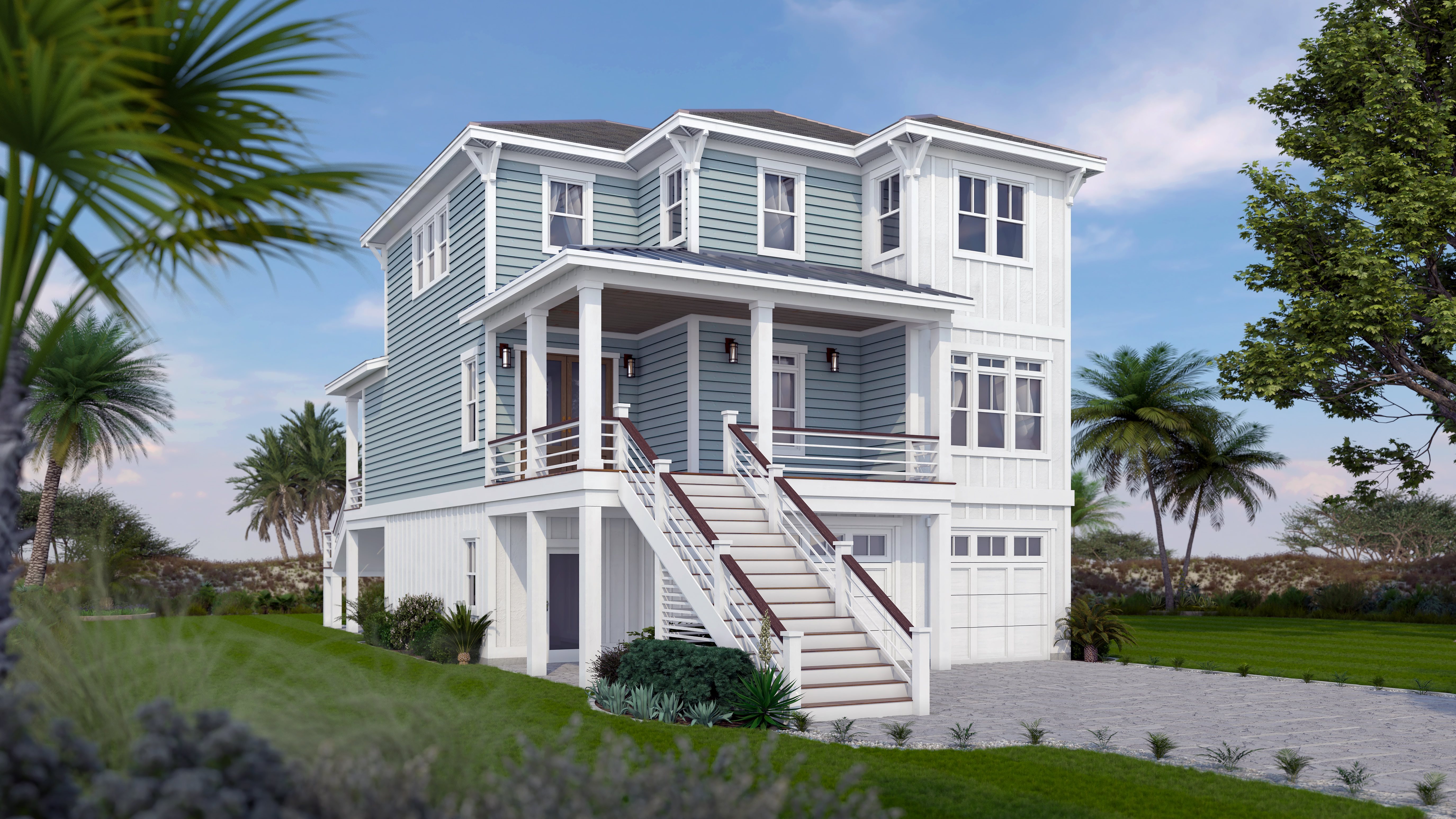
Building Smarter: Energy-Efficient Solutions for Coastal Homes
Building a custom home on the North Carolina coast is about more than square footage and finishes. It’s about creating a space that complements the way you live. At Reeves Custom Homes, we believe building smarter means designing homes that are not only beautiful and durable, but also energy-efficient and built for life on the coast.
Energy efficiency isn’t a trend. It’s a long-term investment in comfort, resilience, and responsible homeownership, especially in coastal communities like Hampstead, Topsail Island, and the surrounding areas of Pender and Onslow counties.
Why Energy Efficiency Matters on the Coast
Living on the coast has its perks: steady ocean breezes, beautiful natural light, and a lifestyle that naturally spills outdoors. But building near the water also comes with challenges you don’t always see at first glance. Salt air can wear down materials faster than expected. Humidity lingers. Temperatures swing. Storm systems bring high winds and driving rain. All of it affects how a home holds up and how comfortable it feels inside.
That’s why energy efficiency isn’t just a bonus feature in a coastal home: it’s essential. A well-designed, energy-efficient home helps maintain steady indoor comfort even during the most humid summer days. It keeps cooling systems from working overtime, which lowers monthly utility bills and extends the life of your equipment. It also limits moisture intrusion and air leaks, two of the biggest threats to long-term durability in a coastal climate.
Just as important, smart building practices strengthen a home against harsh weather while reducing its overall environmental footprint. When efficiency is built into the design from the beginning, you’re not only protecting your investment, you’re creating a home that performs beautifully for years to come.
When these factors are addressed during the design and build phase, homeowners enjoy lower utility bills, improved indoor air quality, and a more durable structure that stands the test of time.
High-Performance Building Envelope
The foundation of any energy-efficient home is its building envelope: the system of walls, roof, windows, and insulation that separates indoor living spaces from the outdoors.
Advanced Insulation Strategies
In coastal North Carolina, insulation must do more than keep heat in during winter. It must also help manage heat gain and moisture during long, humid summers. Spray foam insulation, properly installed fiberglass systems, and sealed attic spaces help reduce air leakage and boost overall efficiency.
A tightly sealed envelope minimizes drafts, reduces strain on HVAC systems, and helps prevent moisture from entering wall cavities: a critical factor in coastal construction.
Impact-Rated, Energy-Efficient Windows
Windows play a bigger role in your home’s comfort than most people realize. They’re one of the primary sources of unwanted heat gain in the summer and heat loss in the winter. Choosing high-performance, impact-rated windows with low-E coatings helps limit solar heat transfer while also providing critical protection against high winds and flying debris during storms.
Placement matters just as much as the product itself. When windows are thoughtfully positioned to capture natural light, you get bright, inviting living spaces without depending on artificial lighting all day. It’s a simple design decision that makes a noticeable difference in both comfort and energy use.
Smart HVAC and Dehumidification
On the coast, managing humidity is just as important as managing temperature. A system that’s too large might cool the house quickly, but it won’t run long enough to properly remove moisture from the air. The result? A home that feels clammy even when the thermostat says it’s comfortable.
That’s why well-built coastal homes rely on properly sized HVAC systems, often paired with variable-speed technology and dedicated dehumidification. These systems help keep indoor temperatures consistent, lower overall energy consumption, and improve indoor air quality. Just as importantly, they protect wood flooring, cabinetry, and interior finishes from the long-term damage excess moisture can cause.
By taking the time to calculate heating and cooling loads during the design stage, we make sure each home is built to perform efficiently in our specific coastal climate, not just in theory, but in everyday living.
Energy-Efficient Roofing and Reflective Materials
Your roof is one of the most exposed elements of your home. In coastal areas, it has to endure sun, salt air, and storms.
Cool roofing materials and reflective shingles help reduce heat absorption, lowering attic temperatures and decreasing the workload on your cooling system. Proper attic ventilation further improves performance and lengthens the lifespan of roofing materials.
When combined with high-quality underlayment and moisture barriers, these systems add to both energy efficiency and long-term durability.
Thoughtful Orientation and Passive Design
Building smarter starts long before construction begins. Site orientation and architectural design can greatly affect a home’s energy performance.
In many coastal communities like Pecan Grove, Summerhouse, and The Retreat at Redds Cove, lot positioning offers opportunities to maximize natural breezes and shade. By considering sun angles throughout the day, prevailing wind patterns, overhang depth and porch placement, and shaded outdoor living areas, we can reduce cooling demands and create comfortable outdoor spaces that feel like natural extensions of the home.
Deep porches, covered lanais, and strategically placed windows allow homeowners to enjoy coastal views while minimizing direct solar heat gain.
Energy-Efficient Appliances and Lighting
True efficiency goes beyond the structure itself. Appliance selection and lighting design also play a key role in overall energy use.
ENERGY STAR® rated appliances, induction cooktops, tankless water heaters, and high-efficiency washers and dryers all help reduce energy consumption. LED lighting throughout the home lowers electricity use while providing prolonged performance.
Smart home systems allow homeowners to monitor and control lighting, temperature, and irrigation remotely, delivering convenience and improved efficiency year-round.
Sustainable Materials Built to Last
Durability is sustainability. In coastal construction, selecting materials that resist corrosion, moisture damage, and wear reduces the need for premature replacement.
Fiber cement siding, composite decking, stainless steel hardware, and moisture-resistant framing components help extend the life of your home. The longer materials last, the less waste ends up in landfills, and the more value homeowners retain over time.
As a full-service custom builder, we work closely with trusted local suppliers to source top-quality materials that perform beautifully in our coastal environment.
Building with Integrity and Communication
Energy-efficient construction calls for careful coordination from permitting and inspections to material selection and installation. At Reeves Custom Homes, we manage every step of the process so homeowners can focus on the exciting decisions: flooring, lighting, cabinetry, and finishes.
Clear communication ensures you always know what comes next. Whether you bring your own plans or work with us to design a custom layout, energy efficiency is integrated from the very beginning not added as an afterthought.
Building for the Future
An energy-efficient coastal home is an investment in the future. It means lower operating costs, improved comfort, greater durability, and increased resale value. It also means building responsibly in a region where environmental stewardship matters.
From modern farmhouses to coastal classics, we design and build homes that are customized to your vision and engineered for life by the water.
If you’re considering building in Hampstead, Topsail Island, or one of our area’s premier communities, we would be honored to guide you through the process from start to finish.
Contact Reeves Custom Homes today.
READ MORE
Top 5 Custom Home Design Mistakes (and How to Avoid Them)
Designing for the View: How to Maximize Natural Light and Outdoor Living on the Coast
2026 Trend Predictions for Custom Coastal Homes