
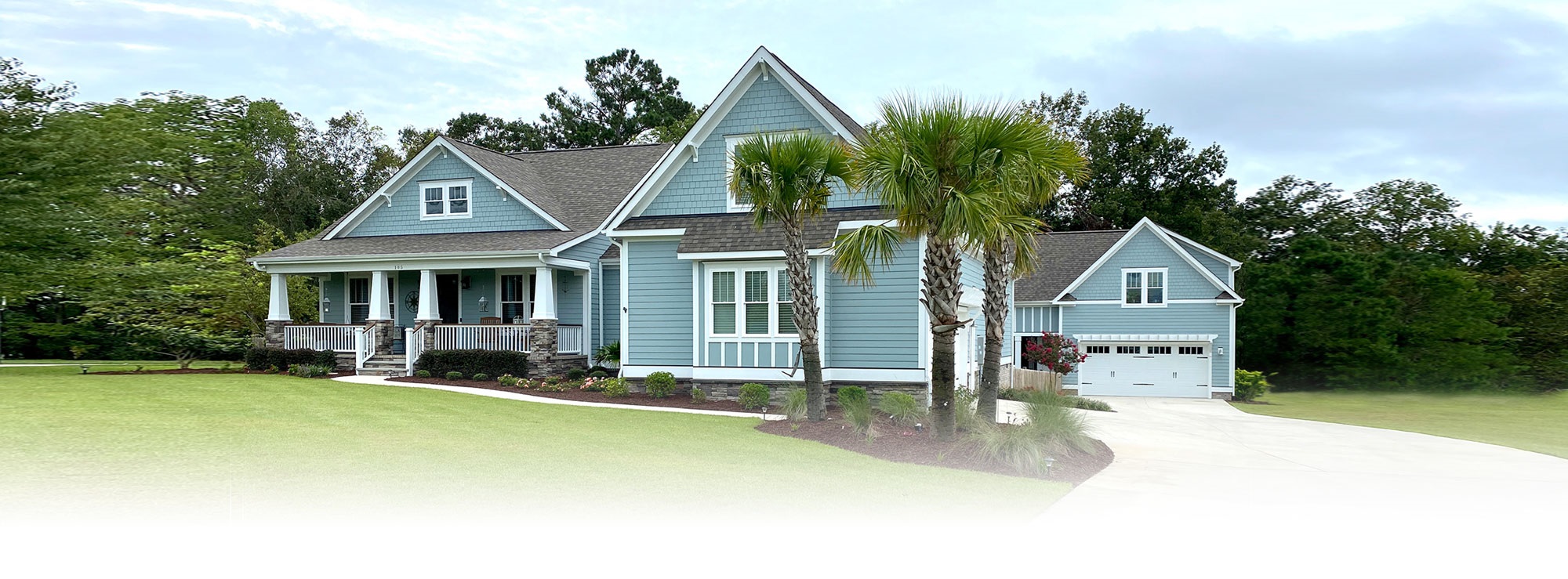
Top Questions to Ask Before Buying Land for Your Custom Home
Most people spend months obsessing over floor plans, countertops, and cabinet finishes before they've spent a single afternoon looking at land. That's understandable — the fun stuff is easy to picture. But the lot you choose will shape everything that comes after it, and skipping the due diligence early on is one of the most expensive mistakes a future homeowner can make.
Reeves Custom Homes has walked hundreds of properties with clients over the years, and the same questions keep coming up. Here's what we tell people to ask before they sign anything.
Can you actually build what you want on this lot?
A piece of land can look perfect on paper and still leave you with a postage-stamp footprint once you account for setbacks and easements. If you're picturing a detached garage, a pool, or a screened porch that wraps around two sides of the house, those features need room. So does the driveway. So does any future addition you might want in ten years.
The earlier you walk the property with a builder, the better. It's not that complicated to figure out, but you need someone who knows what they're looking at.
What does zoning allow?
Every county has its own rules about what can go where, and some of them are more restrictive than you'd expect. Height limits, minimum square footage, setback distances from the road and property lines, rules about accessory structures — all of that is set by local zoning. If you have something specific in mind for your home, confirm it's allowed before you fall in love with a lot.
Is the property in a flood zone?
If you're buying in Southeastern North Carolina, this is a non-negotiable question. Coastal North Carolina has significant flood zone coverage, and your designation — whether it's AE, VE, X, or something else — affects everything from foundation type to finished floor elevation to what you'll pay for insurance.
A flood zone designation isn't automatically a dealbreaker, but it changes the math. Elevated construction, flood vents, breakaway walls: these costs can add up.
Are utilities stubbed to the property?
Not every vacant lot has public water and sewer. Some don't have electric service yet. Some are in areas where high-speed internet is still a work in progress. If you're planning to work from home, stream your shows, and run a smart home system, that last one matters more than people realize.
If public utilities aren't available, a well and septic system is a workable solution in plenty of locations but you need a soil evaluation first, and that test adds time to your timeline.
What will it actually cost to prepare the site?
This one catches people off guard. A lot that's listed at a lower price might actually cost you more once you add in what it takes to get it ready to build on. Clearing trees, grading slopes, installing drainage, connecting to the road: that's all real money, and it varies a lot from one property to the next.
A lot that's been cleared, has utilities at the street, and sits on flat, well-draining soil is worth more than its price tag suggests. The opposite is also true.
Are there any easements?
Easements are more common than most buyers realize, and they can restrict where you're able to build. A utility easement along the back of the property might not seem like a big deal until you realize it cuts through exactly where you wanted the garage. Pull the survey and read it.
How does the lot drain?
Eastern North Carolina gets a lot of rain, and it doesn't always leave quickly. Before you buy, pay attention to whether the property holds water after a storm, where runoff goes, and whether there are any stormwater management requirements that could affect your site plan. Good drainage is something you never think about when it works, and something you'll never stop thinking about when it doesn't.
What does the HOA require, if there is one?
Some planned communities come with detailed architectural guidelines that govern everything from exterior paint colors to what kind of fence you can build. If you're drawn to a lot inside a neighborhood like that, make sure the rules are compatible with what you have in mind. Getting surprised by a covenant after you've already bought is frustrating and sometimes costly.
Can a builder walk the property before you close?
Ask this of anyone selling land, and pay attention to how they respond. A good builder will want to see the lot before you buy it. They can tell you pretty quickly whether a site is straightforward or whether there are red flags: drainage problems, difficult soil, access issues, things that won't show up on a listing page.
That conversation is free. The problems you find out about after closing are not.
At Reeves Custom Homes, we build throughout Hampstead, Topsail Island, Pender County, and Onslow County, and we know this stretch of coastline well. If you're considering a lot and want a second set of eyes on it before you make an offer, reach out today.